

What kind of rose are you?
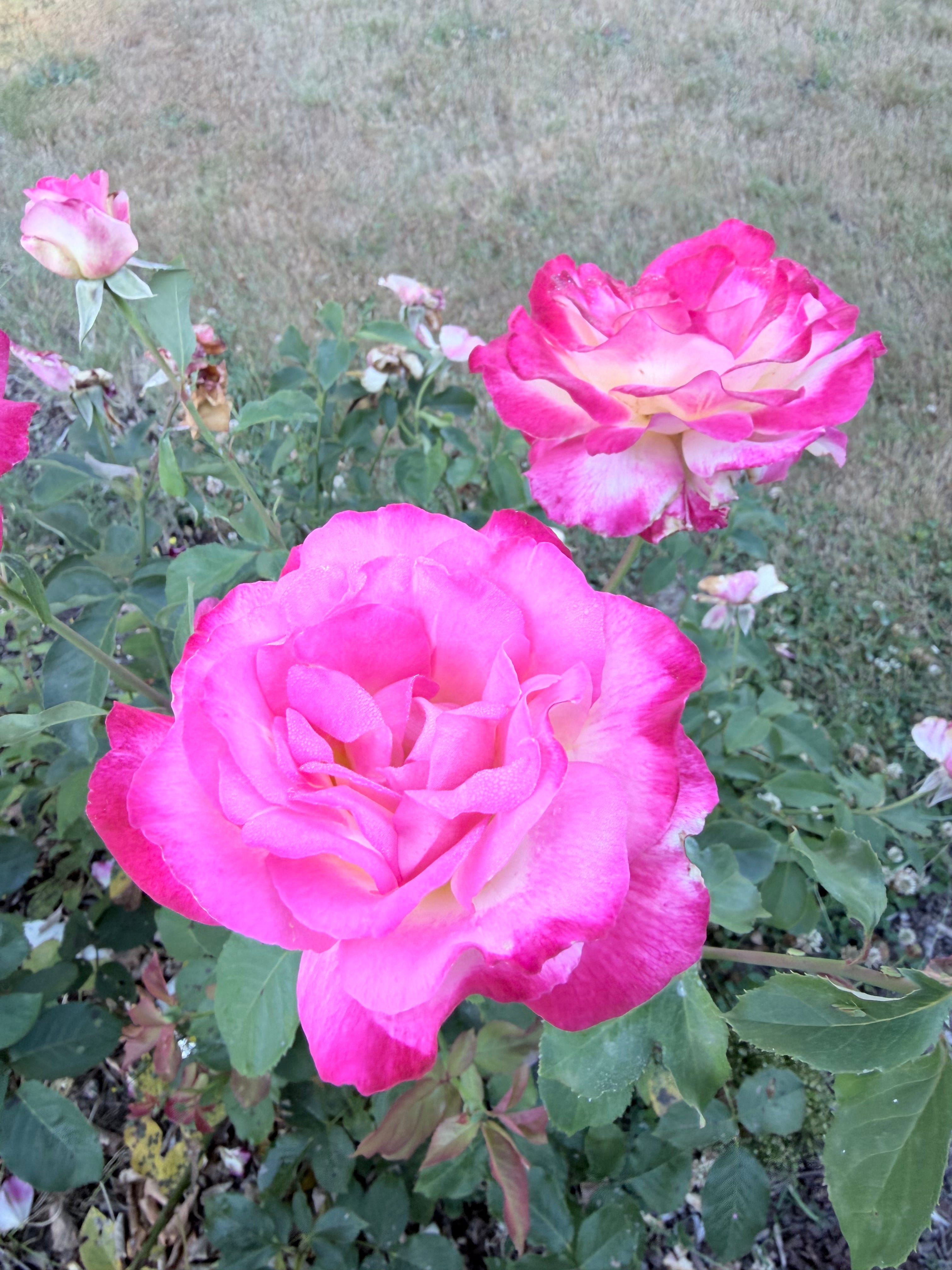
Yesterday, while moving purposefully towards my uncle’s front door, I paused unconsciously for a quick sniff at a pretty flower floating above a thorny bush that bordered the walkway.
Suddenly, I was sinking my face into the bosom of a velvety rose, only aware of the intense fragrance that filled my nostrils and permeated every bit of my awareness.
For a few precious seconds, I knew nothing but the absolute beauty of that smell—until, that is, the reverie was interrupted (as it often is) by an analytical thought:
Why don’t all roses smell like this? Is this even real?
As it turns out, the most fragrant roses tend to have softer petals that bruise more easily and are more susceptible to disease. Their flowers open readily and tend to wilt more quickly than the roses that you see for sale.
Commercial growers know that florists (and most everyone else) want their roses to be good-looking and long-lasting. So they breed the flowers to be able to
last a long time on the bush and in a vase
have thick, durable petals that ship well
maintain a perfect and stereotypical rose shape
bloom continuously
be disease resistant
have bright, consistent colors
Those beautiful roses you bought at the grocery store don’t have much scent at all because growers have prioritized these characteristics over fragrance, channeling the plant’s resources towards that end.
Even roses can’t do it all.
What a relief to remind ourselves that we don’t have to channel our all our energies into achieving a standard that does not belong to us at the expense of containing the innate beauty God has placed inside of each one of us.
We don’t have to “breed” anything out.
Whether you are delicate and fragrant, or sturdy and strong, or have the genes to live to be 100 years old, may you delight in the being God has created in you, in your life, and in your unique capacity to make this world better.